- Carenest Medical Centre, SDA 60, Sector 45, Noida, Uttar Pradesh (INDIA)
- +91-9205096722
- infonestcarehospitality@gmail.com

Breastfeeding Guide for New Mothers: Benefits, Tips and Common Challenges

H1N1 (Swine Flu) During Pregnancy: Symptoms, Treatment, Prevention & Care
August 30, 2026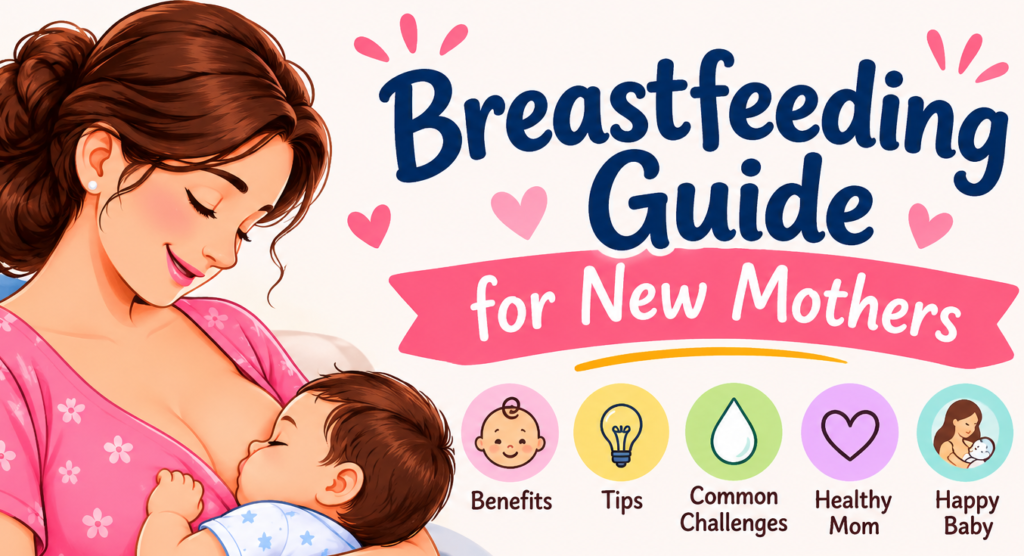
Breastfeeding is an important part of a baby’s growth and development. It provides essential nutrients and helps protect babies from certain infections. However, new mothers may face challenges such as low milk supply, breast pain, and difficulty with latching. With the right information and support, breastfeeding can become easier and more comfortable.
Whether you are a first-time mother or recovering after delivery, understanding breastfeeding basics can help you care for your baby with confidence.
1. Breastfeeding Benefits for Mothers and Babies
Breast milk contains essential nutrients and antibodies that support a baby’s growth and immunity. Some important breastfeeding benefits include:
- Supports healthy growth and development.
- Helps protect babies from certain infections.
- Supports healthy digestion.
- Strengthens the bond between mother and baby.
- Helps the mother’s uterus return to its normal size after delivery.
- May reduce the mother’s risk of breast and ovarian cancer.
Breastfeeding is also convenient and cost-effective because breast milk is readily available.
2. Breastfeeding Tips for Beginners
For first-time mothers, breastfeeding may take time and practice. These breastfeeding tips for beginners can help you get started.
Choose a comfortable position: Support your back and arms with pillows. Keep your baby’s head and body aligned.
Check the latch: Ensure your baby opens their mouth wide and takes in enough breast tissue. A good latch helps your baby feed effectively and reduces nipple pain.
Feed frequently: Newborns usually need 8–12 feeds in 24 hours. Look for hunger signs, such as sucking their hands or turning towards your breast.
Seek professional support: If breastfeeding is painful or your baby has difficulty latching, a lactation consultant can help identify the problem.
3. Exclusive Breastfeeding: What New Mothers Should Know
Exclusive breastfeeding means feeding your baby only breast milk for the first six months, without other foods or drinks, including water, unless medically required.
The World Health Organization recommends exclusive breastfeeding for the first six months. After that, introduce suitable complementary foods while continuing breastfeeding up to two years or beyond.
If your baby struggles to feed or gain weight, consult a paediatrician for guidance.
4. Low Milk Supply: Causes and Solutions
Low milk supply is a common concern among new mothers. However, frequent feeding does not always mean you are producing less milk.
Common causes include poor latching, infrequent feeding, certain medical conditions, and difficulty removing milk from the breasts.
To manage this concern:
- Breastfeed your baby frequently.
- Check your baby’s latch.
- Express milk when necessary.
- Eat balanced meals and drink enough water.
- Seek medical advice if your baby is not gaining weight properly.
Your baby’s weight gain, feeding pattern, and wet nappies can help assess whether they are receiving enough milk.
5. How to Increase Breast Milk Supply
If you are wondering how to increase breast milk supply, start by feeding your baby frequently or in every 2 hours bilaterally.
Milk production generally responds to regular and effective milk removal. If your baby cannot feed properly, expressing milk by hand or using a breast pump may help maintain production.
Foods to Increase Breast Milk Supply
Many mothers search for foods to increase breast milk supply when they feel their milk production is low. Include nutritious foods such as dal, oats, whole grains, green leafy vegetables, nuts, seeds, eggs, and other protein-rich foods in your diet.
These foods support your nutritional needs, but no particular food can guarantee an increase in milk production. Seek professional advice if your supply remains low.
6. Breast Engorgement: Causes and Relief
Breast engorgement occurs when the breasts become swollen, hard, and painful. It commonly happens during the first few days after delivery.
For breast engorgement relief, breastfeed regularly, apply a cold compress, and express a small amount of milk if your baby has difficulty latching. Avoid forceful breast massage.
Seek medical advice if you develop fever, severe pain, or retained redness.
7. Breastfeeding Diet for Mothers
A balanced breastfeeding diet for mothers supports energy levels and recovery after delivery.
Include fruits, green vegetables, whole grains, dal, beans, eggs, paneer, milk, curd, nuts, and seeds in your daily diet. Drink water according to your thirst and eat regular, balanced meals.
Most mothers do not need to avoid specific foods unless there is a medical reason.
8. Breastfeeding After C-Section
Breastfeeding after C-section is possible, although some mothers may need extra support during recovery.
Try the football hold or side-lying position to reduce pressure on your surgical wound. Use pillows for support and ask your nurse or lactation consultant for help with positioning.
If your baby cannot breastfeed effectively, ask your healthcare professional about expressing breast milk.
9. Breastfeeding and Working Mothers
Breastfeeding and working mothers can manage both responsibilities with proper planning.
Express and store breast milk in clean containers before returning to work. Follow recommended storage guidelines and take breaks to express milk during working hours, if possible.
Continue breastfeeding before leaving for work and after returning home. Discuss your needs with your employer to arrange a suitable private space.
10. Breastfeeding Support and Postpartum Care in Ghaziabad and Delhi NCR
New mothers may need professional guidance with latching, milk supply, breast engorgement, or feeding positions. Getting the right support early can make breastfeeding more comfortable and help address concerns before they become more difficult to manage.
If you are looking for a lactation consultant in Ghaziabad, choose a qualified professional who can assess your baby’s latch, feeding pattern, and milk transfer.
You can also look for a breastfeeding clinic in Ghaziabad for guidance on breastfeeding difficulties, milk expression, and newborn feeding. Mothers living in nearby areas can explore a breastfeeding consultant in Delhi NCR if they need additional support.
Along with feeding support, postpartum care services in Ghaziabad can help mothers with recovery after delivery, newborn care, and general postnatal guidance.
If you need essential newborn supplies, searching for a baby care products shop near me can help you find items such as nappies, baby clothes, feeding accessories, and breast pumps. Choose products that are appropriate for your baby’s age and needs.
Before choosing a service, check the professional’s qualifications, experience, availability, and patient reviews. For persistent breastfeeding difficulties, consult a qualified lactation professional and your baby’s paediatrician.
11. Breastfeeding Myths and Facts
Understanding breastfeeding myths and facts helps mothers make informed decisions.
Myth: Small breasts produce less milk.
Fact: Breast size does not determine milk production.
Myth: Mothers must drink milk to produce breast milk.
Fact: Drinking cow’s milk is not necessary for milk production. A balanced diet is important.
Myth: Breastfeeding is always painful.
Fact: Persistent pain may indicate a latching problem or another issue that needs attention.
Myth: Mothers must stop all medicines while breastfeeding.
Fact: Many medicines are compatible with breastfeeding, but always consult your doctor before taking medication.
Conclusion
Breastfeeding offers important benefits for mothers and babies, but every breastfeeding journey is different. Understanding common challenges, following practical tips, and eating a balanced diet can make the experience easier.
If you are experiencing low milk supply, breast engorgement, or difficulty with latching, professional guidance can help you find the right solution. Mothers in Ghaziabad and Delhi NCR can explore qualified lactation consultants, breastfeeding clinics, and postpartum care services for additional support.
Remember, asking for help is a positive step towards your baby’s health and your own well-being.
Disclaimer: This article is for general information only and does not replace professional medical advice.